
“Works on staging” is not a compliment when staging is a toy.
Toy staging has no CDN, no real image pipeline, admin-only sample data, every feature flag forced on, and a single user who never opens the mobile menu. Production then discovers the bug your process was paid to catch.
Staging should be a smaller production, not a parallel fantasy.
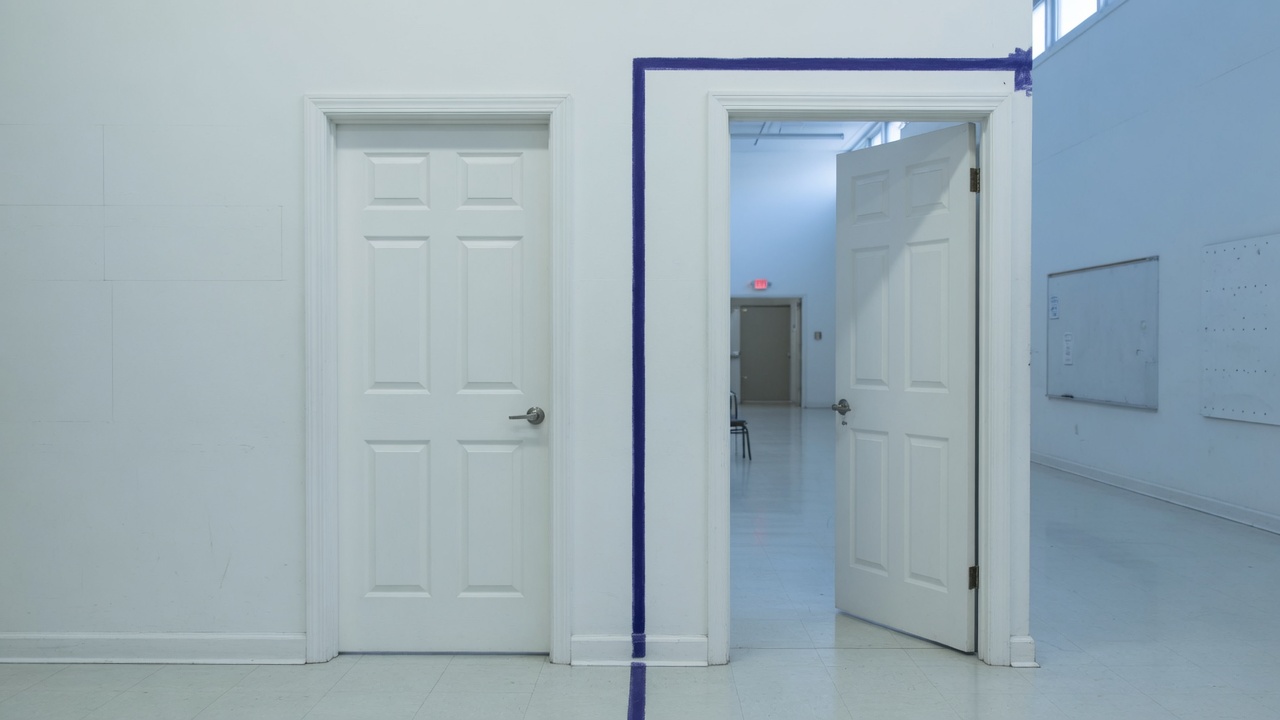
If the doors differ too much, walking through the first teaches nothing about the second.
Match what actually breaks releases
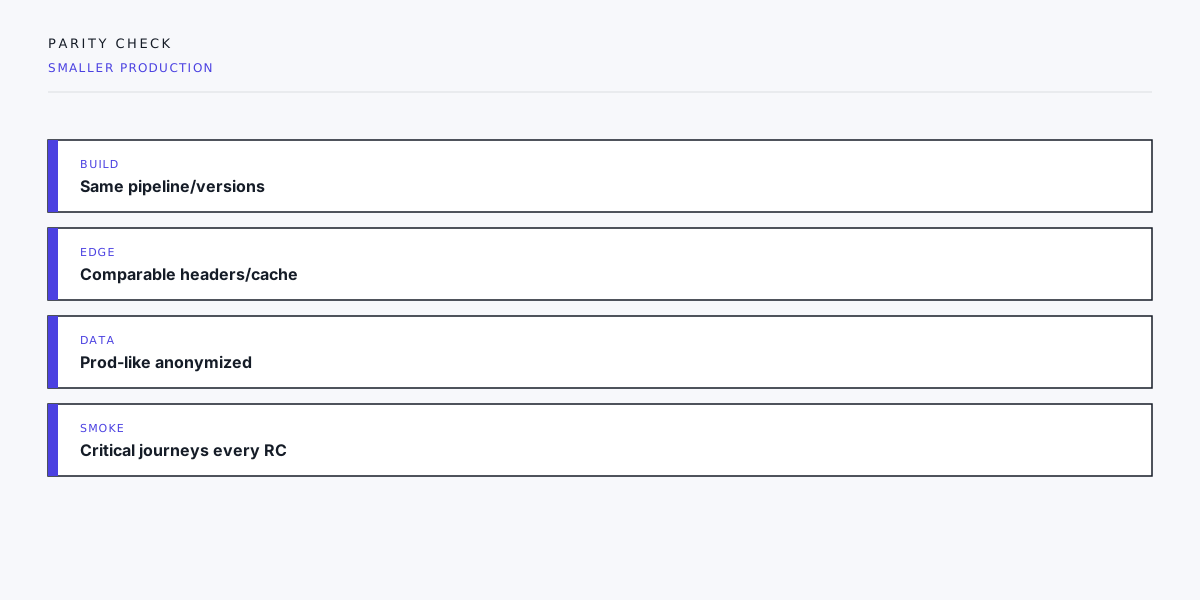
Prioritize parity where defects hide:
| Area | Staging should |
|---|---|
| Build | Same pipeline, same Node/CMS versions |
| Config | Same flag shape; secrets differ, keys do not vanish |
| Edge | Comparable headers/cache rules (or documented deltas) |
| Auth | Real login paths, not only a god-mode bypass |
| Data | Anonymized prod-like volume and edge cases |
| Third parties | Sandbox keys or stubs that fail closed |
| Observability | Logs/metrics you will actually read in prod |
Document intentional differences. Hidden differences are landmines.
Data that does not lie
Empty databases hide N+1 queries, pagination bugs, and timeout edges. Use scrubbed snapshots or synthetic generators that include long names, missing fields, huge images, unicode, and the awkward locale you only see in production.
Never park real personal data in shared staging without controls. Anonymize. Restrict access. Treat staging leaks as incidents.
Access and safety
Staging is often open to the world by accident. Put auth, noindex, and a non-production banner on it. Separate credentials from prod. If staging can email real customers or charge real cards, it will — usually on a Friday.
The release rehearsal
Before big launches:
- Deploy the exact artifact type production will use
- Run smoke checks (home, nav, form, auth/pay if any)
- Exercise purge/cache behavior as you will in prod
- Watch errors under light traffic shape when you can
If you cannot rehearse, you are testing in production with extra ceremonies.
Closing
Shrink the delta between staging and prod until “works on staging” means something. Every undocumented shortcut is a future incident that begins with “but it worked in test.”
Need a staging parity audit? Start a project inquiry with your host diagram and three bugs that only appeared in production.
Environment matrix
| Item | Local | Staging | Production |
|---|---|---|---|
| CDN | off/sim | on | on |
| Feature flags | file | service | service |
| Payments | mock | sandbox | live |
| console | sandbox | live | |
| Indexing | n/a | noindex | index |
Fill the matrix once. Update it when someone “temporarily” disables a row.
Smoke checklist template
- Homepage 200, no console errors
- Primary nav + mobile menu
- Contact form validation + success path (sandbox)
- Login/logout if applicable
- Critical template with media (hero loads, no huge layout shift)
- robots/noindex correct for the environment
Attach the checklist to the release PR. “LGTM” without smoke is hope.
Contract with agencies
If an agency owns staging, require parity clauses: same major runtime, documented edge differences, and a shared smoke list. Otherwise you buy demos that do not survive contact with production.